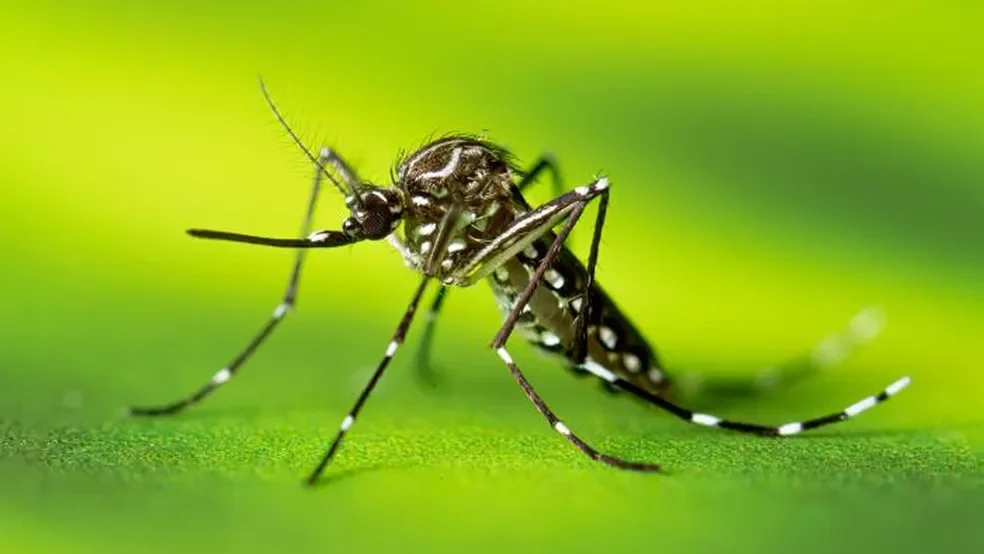
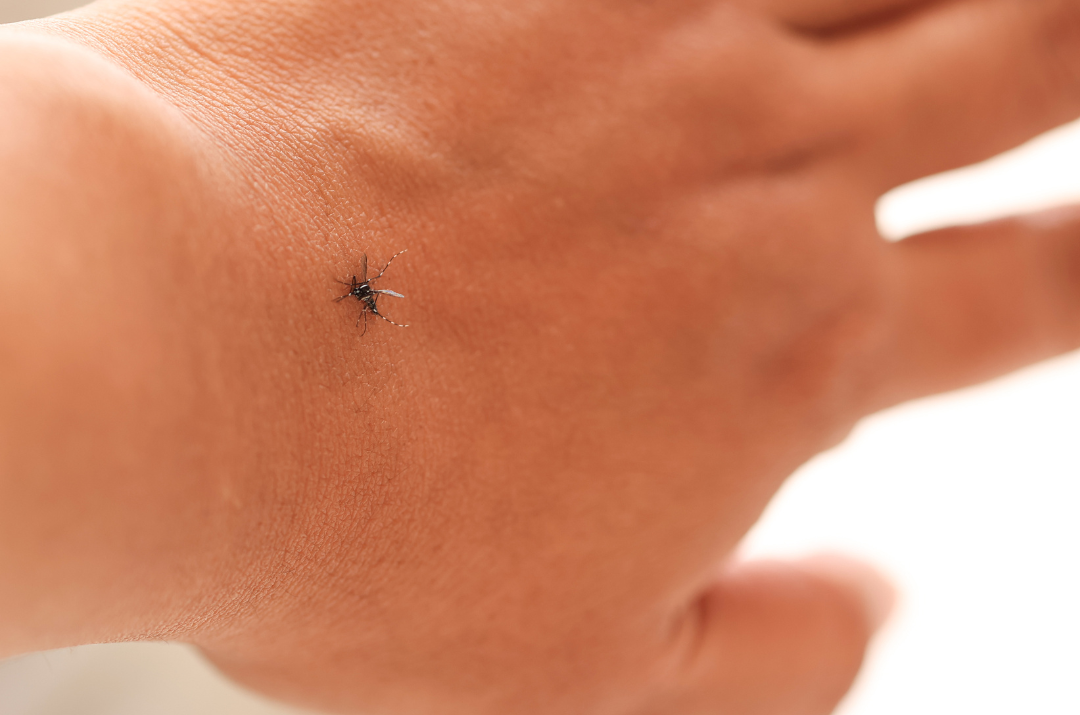
Scientific research indicates that populations of the Aedes aegypti mosquito are developing increased resistance to insecticides used in different parts of the world. This phenomenon has already been observed in multiple countries and is considered one of the current challenges
The way the dengue mosquito finds its “targets” is far from random. Recent scientific research shows that Aedes aegypti uses visual cues to guide its approach, and certain colors can make people and environments more attractive to the insect. A
An epidemiological alert issued by the Pan American Health Organization (PAHO) in February 2026 highlights a rise in chikungunya cases across the Americas, including the resurgence of transmission in regions that had gone years without virus circulation. The scenario makes
Have you ever imagined a mosquito being born already infected? A recent study conducted by the Federal University of Goiás, based in Brazil, has confirmed the occurrence of vertical transmission—also known as transovarian transmission—of the Zika and Chikungunya viruses in
Scientific research has been uncovering an unsettling behavior in dengue‑carrying mosquitoes when they become infected. A study published in Proceedings of the Royal Society B found that the dengue virus can actually alter the behavior of Aedes aegypti, making the
The dengue mosquito does not behave the same way throughout the day. Aedes aegypti has an internal biological clock that regulates its periods of greatest activity, increasing the risk of bites at specific times, mainly early in the morning and