A recent study published by ScienceDaily, based on international research, showed that protection against more severe forms of dengue does not rely solely on antibodies, but primarily on the action of so‑called T cells, also known as T lymphocytes. T
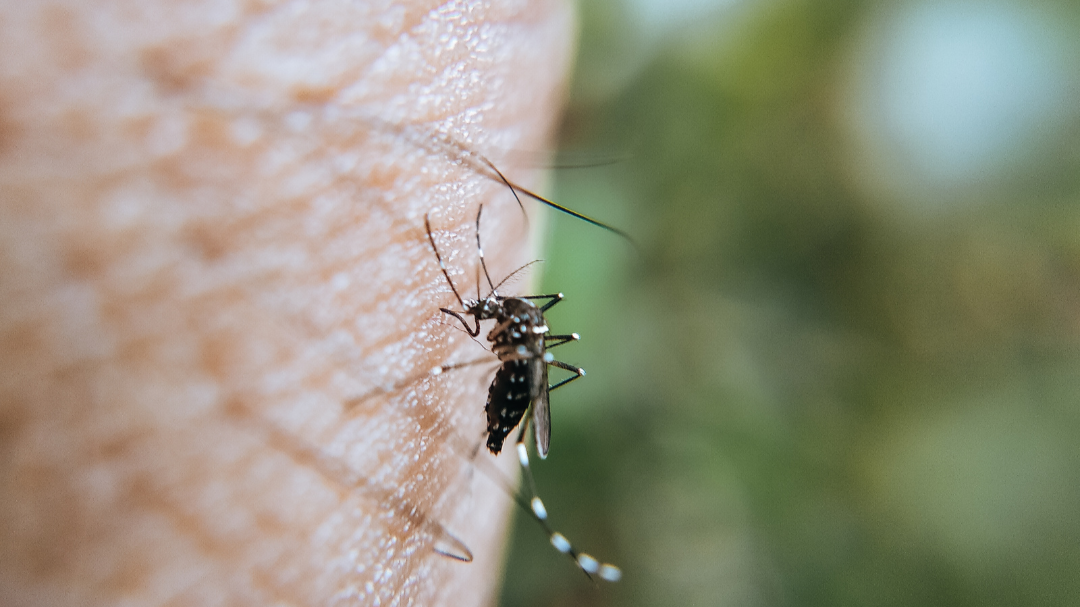
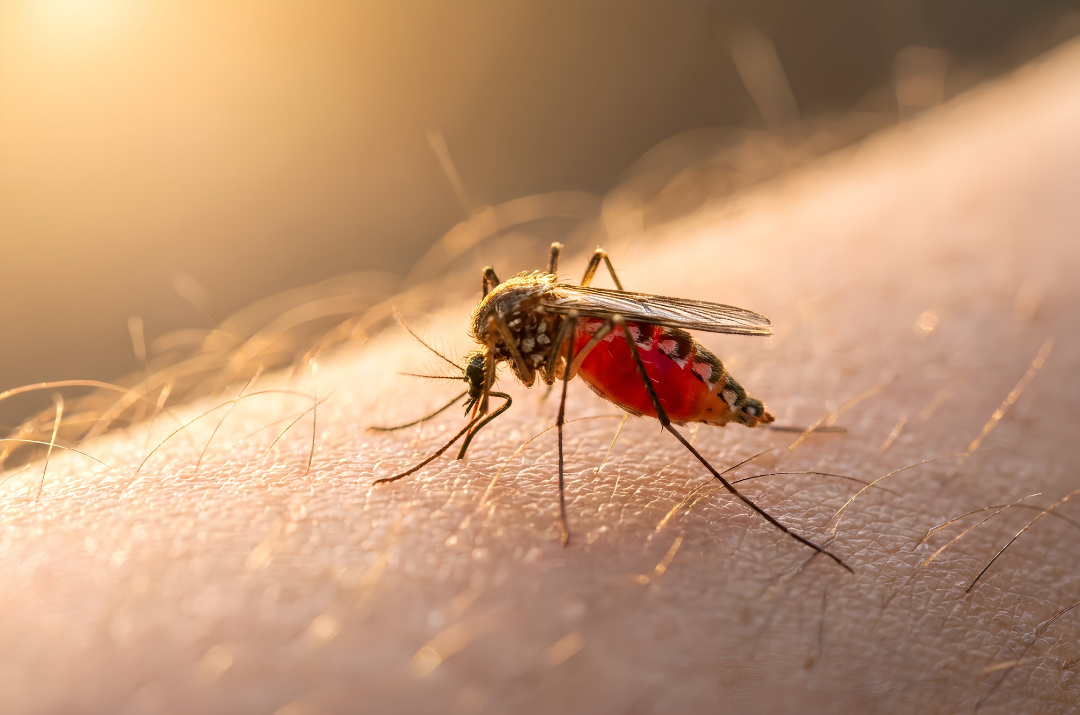
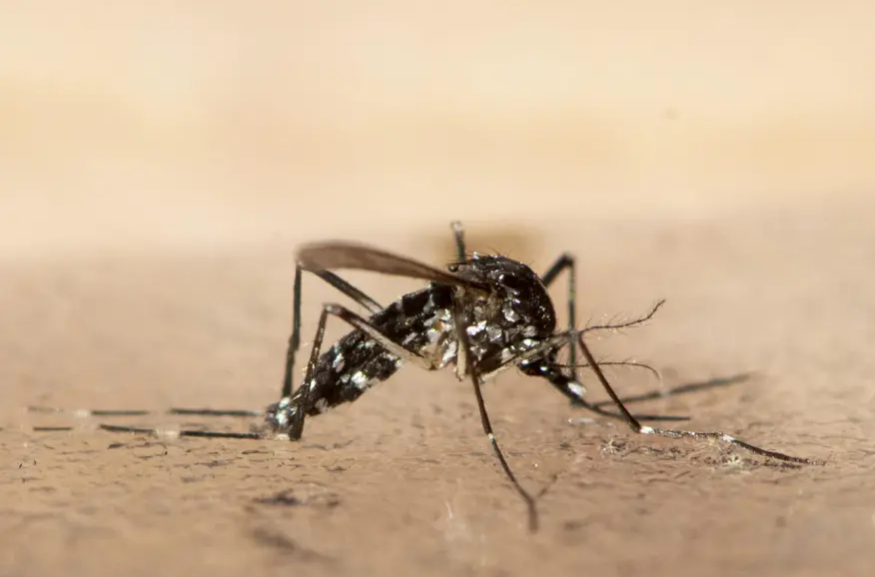
It’s barely half a centimeter long. It lives for about thirty days. And yet, it has enough energy to travel hundreds of meters in search of human blood. The Aedes aegypti mosquito may be one of the smallest mosquitoes out
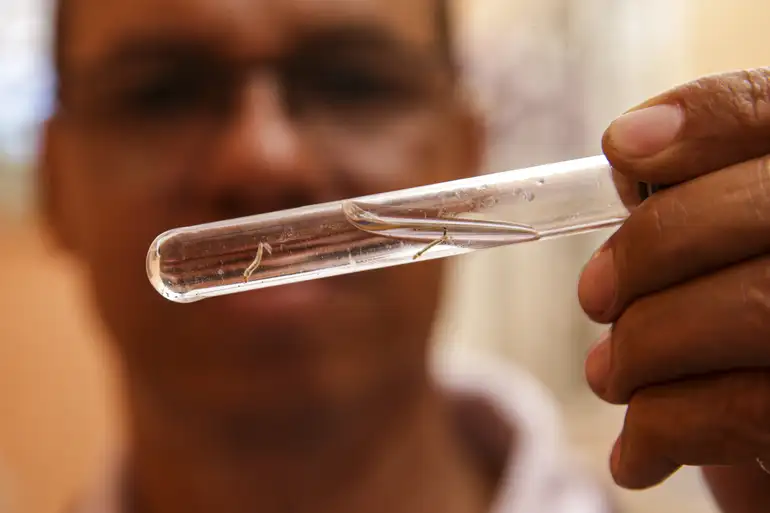
In March 2026, Swiss scientists confirmed an unprecedented finding: the dengue virus was detected in mosquitoes captured in Basel, north of the Alps. For the first time in history, the virus was identified in mosquitoes in the heart of Central
You may have heard that the dengue mosquito (Aedes aegypti) is most active early in the morning and late in the afternoon. That’s true, but it doesn’t mean it clocks out at night. Indoors, especially in warm and humid spaces,
For a long time, arboviral diseases gained international media attention mainly during critical moments, when outbreaks drove case numbers sharply upward. Outside of these periods, the topic often faded from the spotlight. Today, that pattern is beginning to change—along with
In 2026, the conversation around dengue entered a new phase. After years of research and development in the search for an effective vaccine, we now have two proven vaccination approaches: a two‑dose regimen and a single‑dose option. Contrary to what